
Why Most Traders Fail Their Own Trading Plan (And How to Stop)
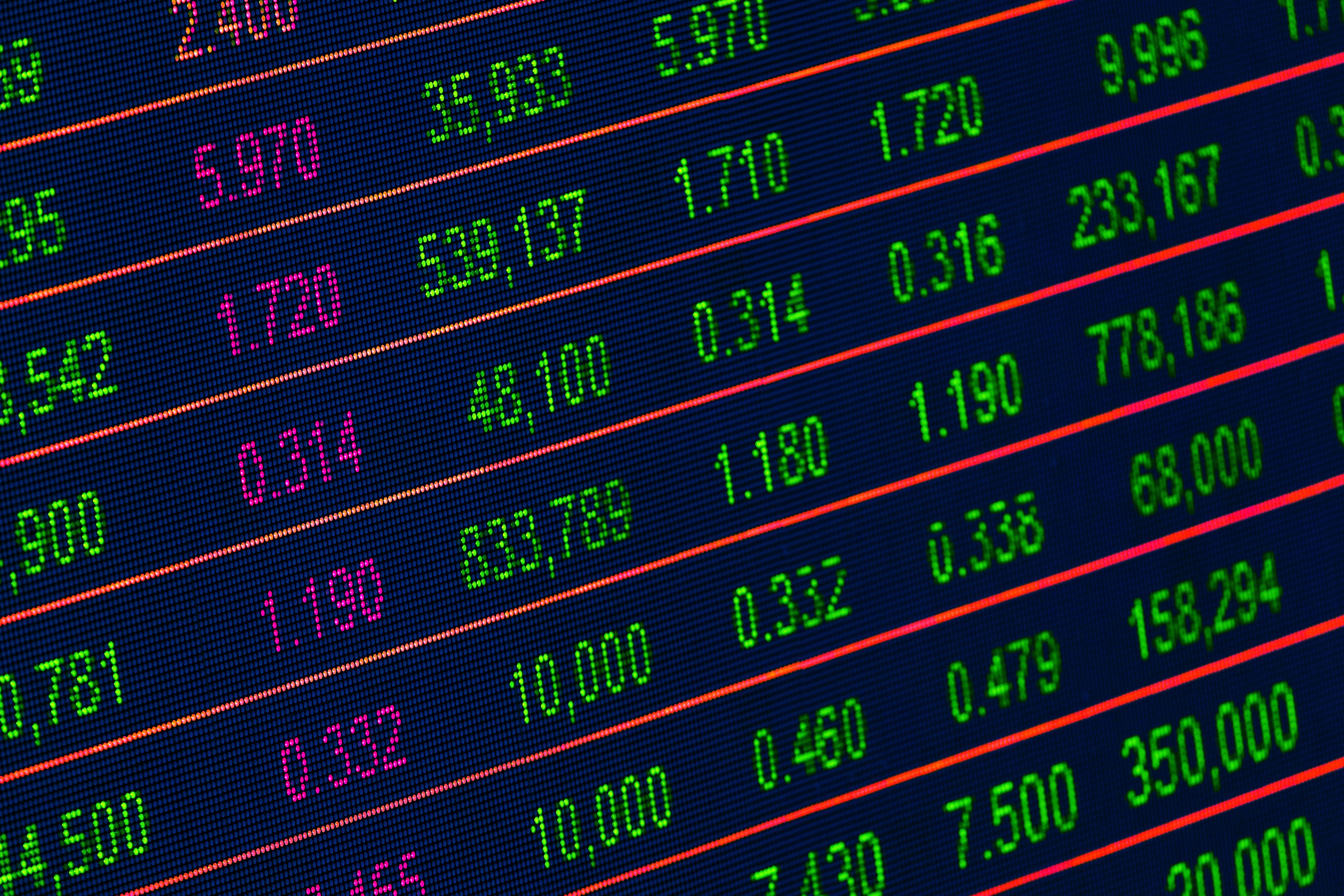

The statistics are stark. Between 70% and 89% of retail forex traders lose money, according to data from financial regulators in Europe and the US. The most uncomfortable part of that number is this: many of those traders have a plan. They have studied price action. They understand risk management. They know, intellectually, how to trade. And they still lose — not because their strategy is wrong, but because they cannot execute it consistently.
This is not a knowledge problem. It is a decision quality problem. And decision quality is exactly what this article addresses.
The Four Ways Traders Betray Their Own Plans
1. Selective Rule-Following
Most traders do not abandon their plan all at once. They make small exceptions. They move a stop loss just a little further because the setup 'still looks valid.' They skip the entry checklist because they are confident in the setup. They take a trade that scores six out of ten on their criteria because the market is 'clearly moving' and they fear missing it.
Each individual exception feels justified in the moment. But patterns of selective rule-following compound over time. When you review three months of trades and realize you only followed your full criteria on 40% of entries, your win rate and risk-reward data are meaningless — because you have not actually been trading your system. You have been trading a loose interpretation of it.
2. Emotional Escalation After Losses
Revenge trading is one of the most documented and destructive patterns in retail forex. After a losing trade, the emotional pressure to recover that loss immediately overrides rational decision-making. The trader doubles position size, lowers their setup criteria, or enters a market they do not normally trade — all in the name of 'making it back.'
The irony is that revenge trading typically makes the situation worse. A 1% loss becomes a 3% loss. A manageable drawdown becomes a significant one. The account recovers slowly if at all, and the psychological damage — the erosion of confidence in the plan — is harder to repair than the financial damage.
3. Overconfidence After a Winning Streak
The mirror image of revenge trading is overconfidence following a winning period. Several winning trades in a row can create the illusion that the trader has 'figured it out' — that the normal rules of risk management no longer apply to them. Position sizes creep up. Stop losses get moved tighter to allow more trades to be taken. The plan becomes a suggestion rather than a set of binding rules.
This phase is often where the most significant account damage occurs, because the trader is now taking more risk at precisely the moment their judgment is most distorted.
4. Decision Fatigue
Trading decisions degrade in quality throughout the session. Research in behavioral finance consistently shows that decision-making quality decreases with each successive decision made — a phenomenon known as decision fatigue. The fourth trade of a session is made with less cognitive precision than the first, even when the trader feels confident. Trades taken late in the session, or after a series of market interactions, are statistically more likely to deviate from the plan.
Why This Happens: The Decision Gap
At the root of all four patterns is what we might call the decision gap — the space between what you know you should do and what you actually do in the moment of execution. This gap is not filled by more knowledge. It is filled by better systems for decision-making.
The human brain is not wired for the probabilistic, emotionally neutral thinking that consistent trading requires. Fear of loss is a powerful motivator — much stronger than the pleasure of equivalent gain, as decades of behavioral finance research confirms. Greed creates a systematic bias toward oversizing and overtrading. These are not character flaws. They are cognitive patterns that every trader faces, including professional ones.
The difference between traders who close the decision gap and those who do not is not willpower. It is structure. Specifically, it is the structure of how they capture, review, and learn from their decision-making process.
How Structured Decision Journaling Closes the Gap
A trading journal that only records entries, exits, and P&L is not a decision journal — it is a ledger. A decision journal captures the quality of thinking that went into each trade, not just its outcome. This distinction is critical.
What a Decision Journal Captures
The reasoning behind the entry: Did this meet all criteria? Which criteria were borderline?
The emotional state at entry: Was there pressure to act? Hesitation? Fear of missing out?
Pre-trade risk assessment: Was the position sized correctly relative to the stop distance and account size?
Any deviations from plan: What was different about this trade versus the defined setup criteria?
Post-trade review: What actually happened, and why? What did I learn about my execution versus the setup?
When this data is captured consistently, patterns emerge. You will notice that your worst trades tend to cluster around specific emotional states, times of day, or market conditions. You will see that trades where you deviated from your plan have a measurably different expectancy than trades where you followed it precisely. This data gives you leverage — not over the market, but over your own decision-making process.
Practical Steps to Follow Your Plan Consistently
Define Your Setup Criteria in Writing
A plan that exists only in your head is not a plan — it is a set of vague intentions. Write down exactly what constitutes a valid setup. What time frames? What market structure conditions? What does a valid entry signal look like? What is the maximum risk per trade? Having explicit, written criteria removes ambiguity and makes deviation obvious.
Score Every Trade Before Entry
Create a simple pre-trade checklist and score each setup before entering. If a setup scores 7 out of 10 or higher on your defined criteria, it qualifies. Below that threshold, it does not. This mechanical filter removes the emotional negotiation that leads to selective rule-following.
Set a Hard Daily Loss Limit
Define a maximum daily loss — for example, 2% of account — and commit to stopping trading for that day if that threshold is hit. This single rule eliminates revenge trading entirely. When the trigger for revenge trading (a significant loss) is automatically followed by the removal of the opportunity to revenge trade (stepping away from the screen), the pattern cannot take hold.
Review Weekly, Not Just Daily
Daily reviews are useful, but weekly reviews are where the real learning happens. Once per week, review all trades from that week with the specific goal of identifying decision quality patterns — not just outcomes. Were the losses the result of bad execution or bad luck? Were the wins the result of disciplined setup selection or fortunate timing? Understanding the difference is how you improve.
Key Takeaways
Most traders fail their plan through selective rule-following, emotional escalation, overconfidence, and decision fatigue — not lack of knowledge.
The decision gap — the space between knowing what to do and doing it — is closed with structure, not willpower.
A decision journal that captures reasoning and emotional state, not just P&L, reveals actionable patterns in your execution.
Score setups before entry, set a hard daily loss limit, and review weekly to build consistent execution habits.
The entire mission of Trading Decision Notes is to help traders close the decision gap through structured review and disciplined frameworks. If this resonated with you, read our piece on how to build a weekly trading review that actually improves performance — it walks through the exact process we recommend.


Comments